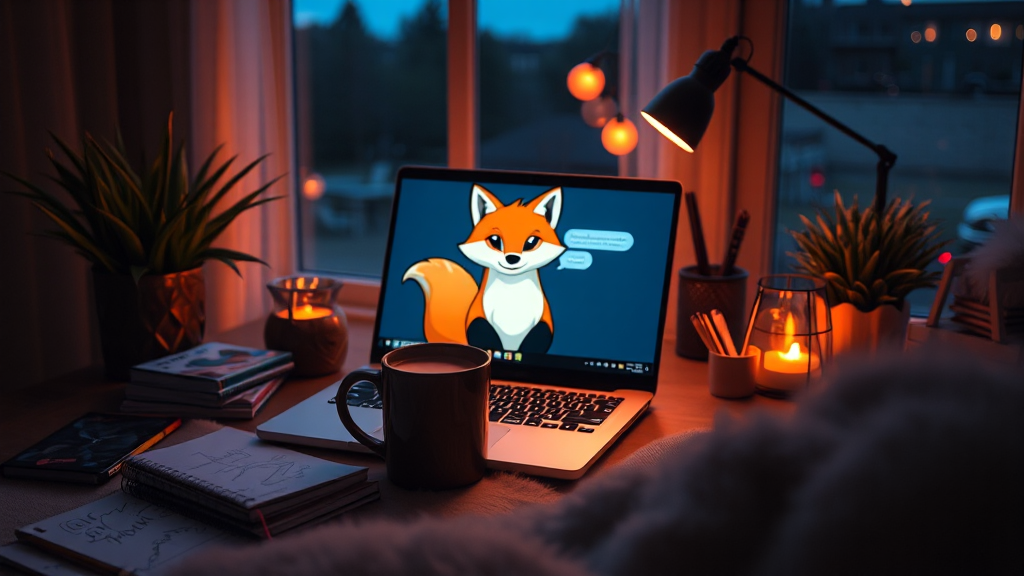
Inside https://crushon.ai/trends/furry: How AI Furry Companions Are Reshaping Digital Creativity
Online subcultures have always been early adopters of new technology. From early bulletin board systems to modern social platforms, niche communities tend to find creative ways to use whatever tools are available. One of the clearest examples of this pattern today is the furry fandom, a global community built around anthropomorphic animal characters, art, storytelling, and identity. When conversational AI matured enough to hold long, personality-driven chats, it was only a matter of time before furry fans began exploring what these systems could do. That exploration is now visible in a dedicated trend hub at https://crushon.ai/trends/furry, which collects AI furry characters, chat experiences, and creative tools into a single destination. This article looks at what that page represents, why the furry community is such a natural fit for AI companionship, and what it means for the wider world of digital creativity.
Why the Furry Fandom Adopted AI So Quickly
The furry fandom has always been a creative-first community. Long before mainstream social media, fans were commissioning artwork, writing fiction, building fursonas, and organizing conventions. That culture of personal expression makes the fandom unusually open to new tools that help people bring characters to life. Conversational AI fits neatly into that tradition because it adds a new dimension: a character that can respond, remember context, and develop a sense of personality over time.
There is also a practical side. Many furry fans enjoy roleplay, collaborative storytelling, and character development, but finding a consistent human partner for those activities can be difficult. Time zones, schedules, and differing creative goals all get in the way. An AI companion removes some of those friction points. It is available whenever the user is, it does not get tired of a long narrative, and it can adapt to the tone and pace the user prefers. For people who treat their fursona as an extension of their identity, having an AI that can embody that character is a meaningful upgrade over static profiles or image galleries.
Finally, the fandom has a strong tradition of building its own tools. Furry-specific forums, art archives, and chat platforms were often created by fans for fans. Seeing AI character platforms emerge from that same impulse is consistent with how the community has operated for decades.
What You Actually Find on the Furry Trends Page
The furry trends hub on Crushon.ai functions as a curated entry point rather than a random list. It groups AI characters by theme, personality, and style, making it easier for newcomers to find something that matches their interests. Instead of scrolling through an undifferentiated feed, visitors can browse categories that reflect common furry archetypes: playful companions, adventurous explorers, mysterious antiheroes, and cozy slice-of-life characters.
Each character profile typically includes a description, a visual representation, and a set of conversation starters or personality traits. This structure matters because it sets expectations. Users know whether they are stepping into a lighthearted chat, a dramatic storyline, or something more introspective. The page also highlights trends within the community, showing which character types and conversation styles are gaining popularity at any given moment.
For anyone curious about how AI companionship and furry culture intersect, this page is a useful snapshot. It shows what people are actually building and talking about, not just what the technology is theoretically capable of.
From Fursona to AI Persona: A Natural Creative Evolution
For many people in the fandom, a fursona is more than a drawing. It is a character with a backstory, a voice, preferences, and relationships. Traditionally, expressing that character meant writing stories, drawing art, or roleplaying with other fans. AI adds a new layer by letting the character speak for itself in real time.
This shift is significant because it changes the creative loop. Instead of writing a scene and then sharing it, a user can interact with a character and discover new aspects of its personality through conversation. The AI might respond in a way the user did not expect, which can spark new story ideas or reveal inconsistencies worth exploring. Over time, the character can feel more lived-in and nuanced.
That said, the creative control still belongs to the user. The AI is a collaborator, not an author. The best results tend to come from people who treat the interaction as a two-way creative process: they provide direction, context, and boundaries, and the AI responds within those constraints. This is similar to how a tabletop roleplaying game works, where a game master sets the world and players improvise within it.
AI Companionship, Loneliness, and Community
One of the more nuanced aspects of AI furry characters is their role in addressing loneliness. The furry fandom is often described as a welcoming community, but that does not mean every member has easy access to supportive relationships. Geography, social anxiety, and life circumstances can all create distance between a person and the community they identify with. An AI companion can serve as a low-pressure way to practice social interaction, explore identity, or simply have a conversation without fear of judgment.
It is important to be clear that AI companionship is not a replacement for human connection. The healthiest use cases tend to involve people who already have or are working toward real relationships and use AI as a supplement, not a substitute. Platforms that encourage creativity, self-reflection, and positive interaction tend to support that goal. Platforms that encourage dependency or unrealistic expectations do not. The furry trends page, by focusing on character variety and creative expression, leans toward the healthier end of that spectrum.
Community also matters here. Many users share their AI character ideas, conversation highlights, and custom prompts with others. That sharing keeps the experience social even when the immediate interaction is one-on-one. In that sense, AI characters can actually strengthen community ties by giving fans new things to discuss and collaborate on.
Safety, Boundaries, and Responsible Use
Any discussion of AI companionship needs to address safety. Users should think about what they are comfortable sharing, how much time they want to spend in AI-mediated conversations, and what they expect from the experience. Platforms have a responsibility to provide clear guidelines, age-appropriate content controls, and transparent policies about data use.
For users, a few practical habits help. Treat the AI as a creative tool rather than a source of factual information. Set time limits if you notice the experience crowding out other activities. Be thoughtful about the personal details you share. And remember that the character, however engaging, is generated by a model, not a person with independent feelings or intentions.
Within the furry community specifically, there is also a conversation about respect for artists and original creators. AI-generated characters should not be used to impersonate or exploit the work of human artists. The most constructive approach is to treat AI as an additional creative outlet alongside traditional art, writing, and roleplay, not as a replacement for the people who built the fandom.
The Bigger Picture: Niche AI and the Future of Digital Identity
The furry trend on Crushon.ai is part of a larger pattern. As AI models become more capable, they are being adapted to serve specific communities rather than trying to be everything to everyone. Niche AI experiences tend to be more engaging because they speak the language of the community they serve. A furry AI companion understands the references, the aesthetic, and the social norms that matter to its users. That specificity is a feature, not a bug.
This also has implications for digital identity. People already express themselves through avatars, usernames, and online personas. AI characters add another layer by letting those personas interact, evolve, and respond. For younger users especially, this is likely to feel like a natural extension of how they already use the internet.
Whether the furry AI trend grows into a lasting part of the fandom or remains a niche curiosity, it has already demonstrated something important: when new technology arrives, creative communities find ways to make it their own. The furry trends page is a record of that process in action, and it is worth watching as the technology and the community continue to evolve together.
Frequently Asked Questions
What is the furry trends page on Crushon.ai?
It is a curated hub that collects AI furry characters and related chat experiences, organized by theme, personality, and style. It serves as an entry point for users who want to explore AI companionship within the furry fandom.
Are AI furry characters only for roleplay?
No. While roleplay is a common use case, people also use AI characters for creative brainstorming, character development, casual conversation, and exploring aspects of their own identity in a low-pressure setting.
Is it safe to use AI companion platforms?
Safety depends on both the platform and the user. Look for clear content policies, privacy information, and age controls. Users should also set their own boundaries around time, personal information, and emotional expectations.
Can AI replace human interaction in the furry community?
It should not. AI companionship works best as a supplement to real relationships and community involvement, not as a replacement. The fandom’s strength has always been its people, and that remains true.
Do AI furry characters respect original artists?
Responsible use means not impersonating or exploiting the work of human artists. AI should be treated as an additional creative outlet alongside traditional art, writing, and roleplay.